Shipping containers, whilst appearing to just be a hunk of steel on the outside, are actually one of the world's most versatile storage solutions. They're used for freight to cross the seas day in and day out, but many people don't realize that you can actually buy them (very easily) from the internet for your own personal use.
Shipping containers are are made initially to be incredibly secure- i.e., let in no water, wind, residue, damp, etc. They are probably the sturdiest non-built storage option out there. You're probably familiar with shipping containers given that they're highly visible- they make up a large majority of all overseas trade, and are traditionally stacked in shipping ports.
In this context, shipping containers give away their primary function in their name- they ship things! They're the favorite choice for businesses that need to transport cargo internationally for trade. That's largely down to their sturdiness and reliability, as well as the fact it's much cheaper to ship cargo this way than to send it via air travel.
In the cargo shipping industry, they're often referred to by a multitude of different names. 'Conex box', 'ISO box', 'ship container'- the list goes on. Each of these terms is completely fine to use as they are all interchangeable.
The only difference between shipping containers that are used for cargo shipping and those that are used as storage solutions on-land is that cargo containers must adhere to a set of standards outlined by the International Organization for Standardization regarding their size and stability. They must receive a certificate that rules them as cargo worthy in order to legally be used as cargo shipping containers.
Many of the shipping containers you see being used as storage on land are often second-hand containers that were formerly used for shipping cargo, but are no longer suitable for traveling across the seas. In this sense, their condition is usually slightly worse than those containers in shipping jobs, but they're still in a good enough condition to be used for storage or other on-land purposes.
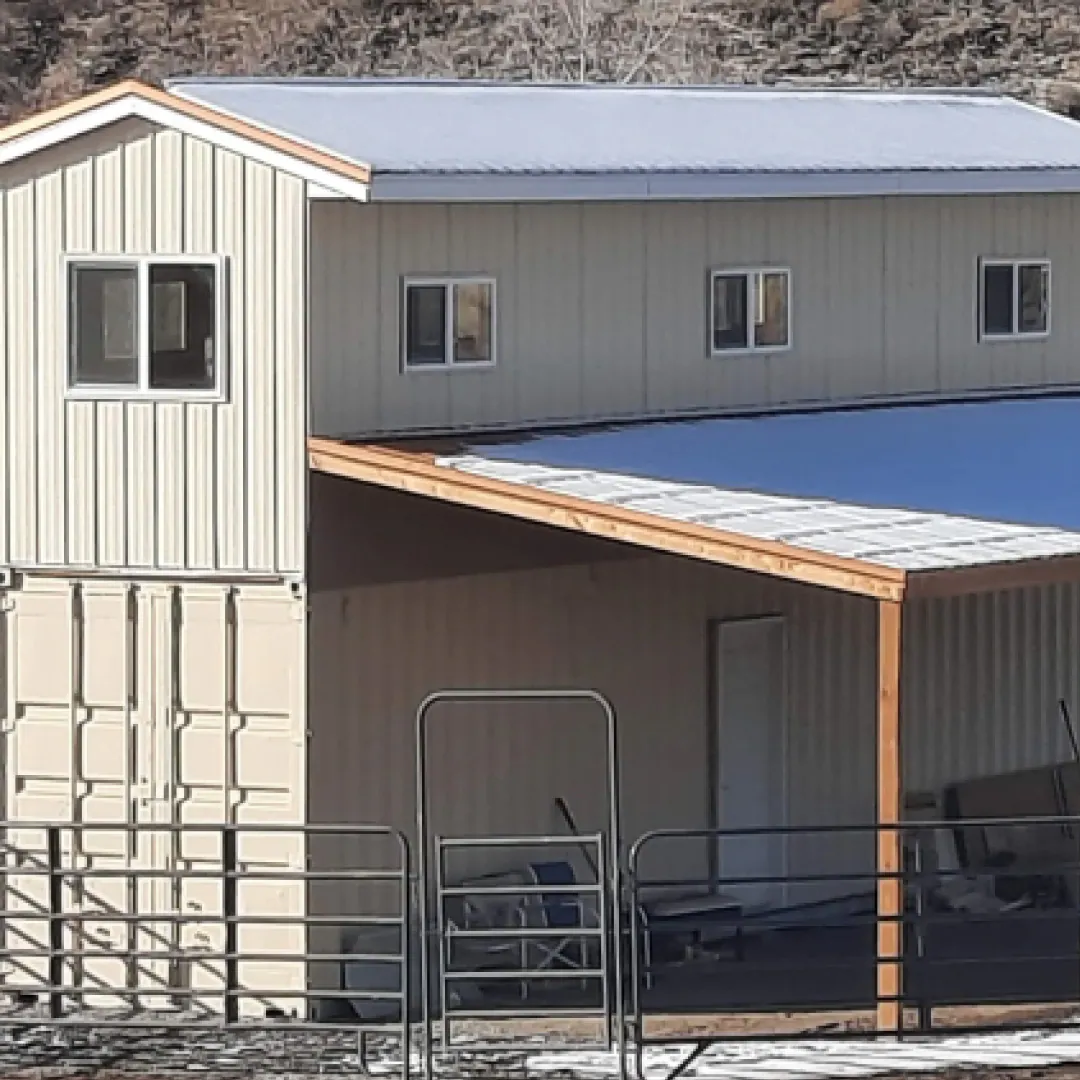
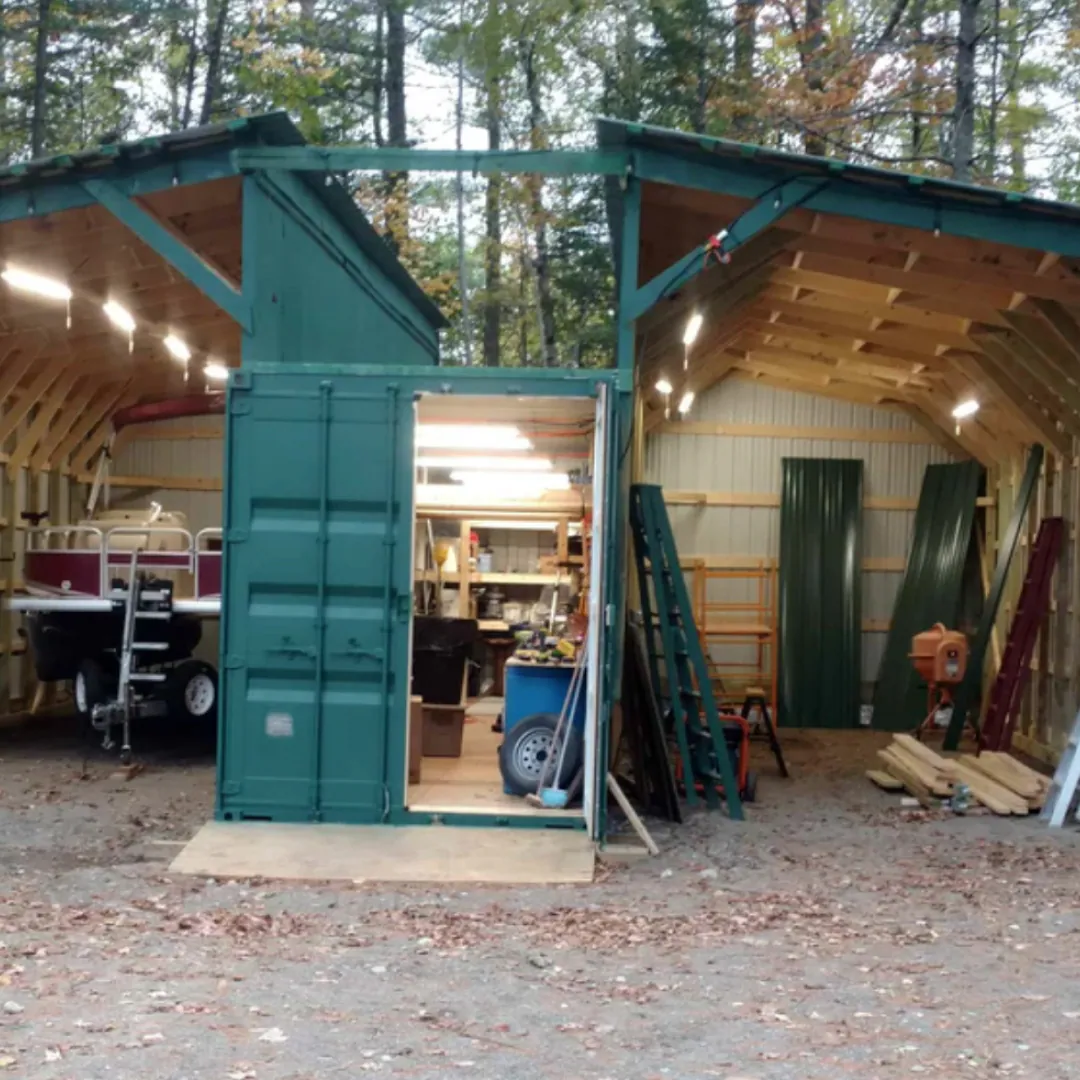
Shipping Container units are highly versatile. Applications include temporary storage, moving, renovations, business storage, outdoor recreation, mobile offices, and much more.
Simple, go to www.primeshippingcontainers.com and browse our containers. Choose the container you want and then add it to your cart.
When finished, go to your cart, enter your delivery details and choose bank wire or Zelle. Our team reviews your order and emails you an invoice with payment instructions.
No, unfortunately you cannot. Container depots are busy commercial operations and their insurance company will not allow the general public to visit their yard for safety purposes.
We offer a wholesale price to everyone who buys 3+ containers per transaction.
Yes, we do. Call (332) 318-2199 or email us at sales@primeshippingcontainers.com for pricing as it varies by current market and availability.
Yes, but due to the length and height of these containers you will have to assist in unloading the trailer. In most cases you will need a forklift or a crane that can lift 12,000 lbs. Please get in contact with us so we can check availability in your area.
The cost is dependent on the current supply and demand of the container market. 20’ containers are less common, which means 40’ containers will be cheaper due to available inventory.
This can depend on your container and the sizing of any roll-up doors and windows. Typically, roll-up doors can be added to either sides.
Please keep in mind that there are structural limitations on door placement without further reinforcement, and different door models may have different clearance needs. We will gladly help look into any specific solutions you are trying to figure out if you need further help.
For all FAQ's about Shipping Containers please visit [link].
If you have more questions please fill out our contact form so we can walk through options together! If our FAQs haven't helped with what you are looking for, we’ll be happy to sort it out with you.
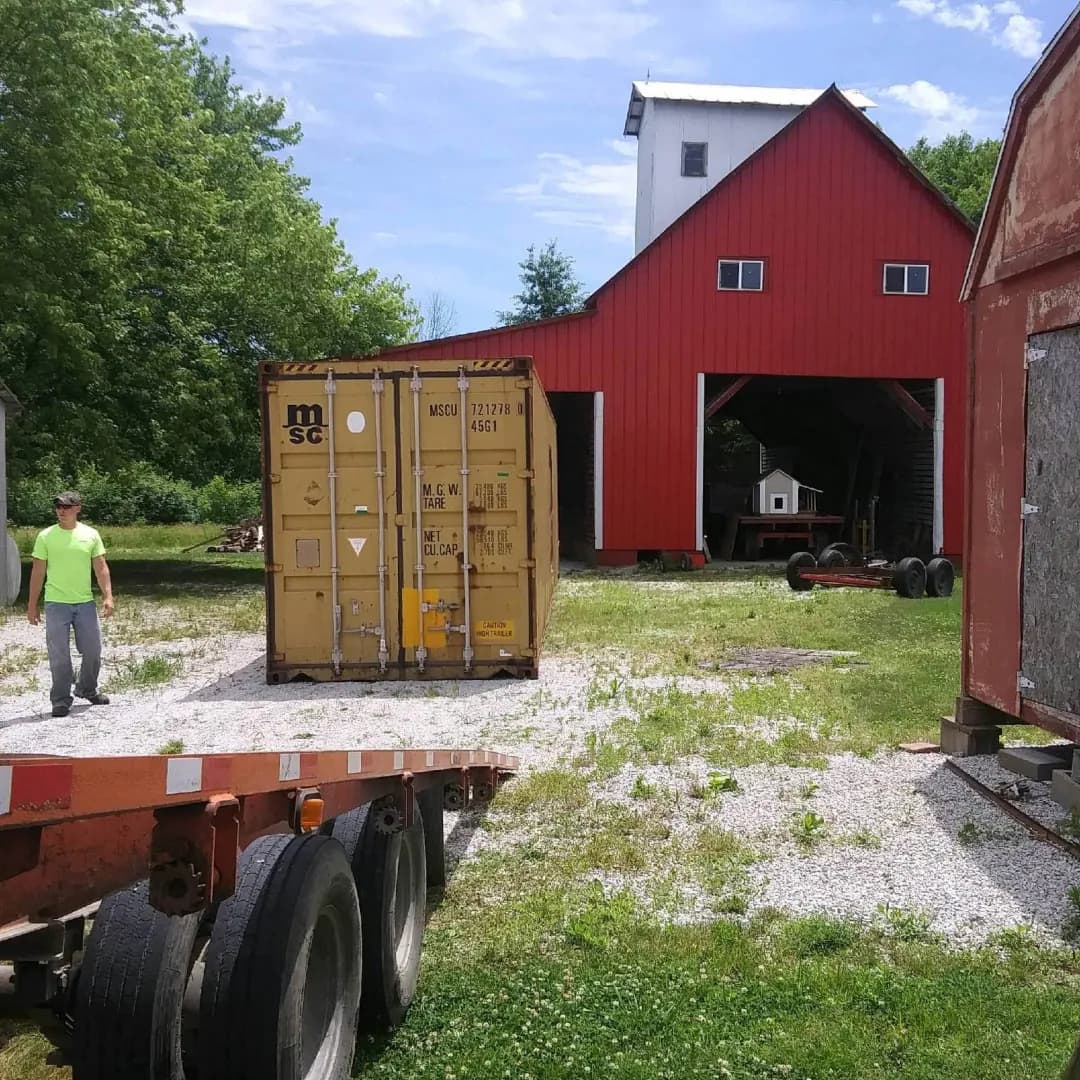
A typical ISO shipping container is made from Cor-ten steel also known as “weathering steel”. Cor-ten steel is a corrosion resistant steel that is used within many industries where exposed steel is in harsh conditions.
Shipping containers come in many different sizes, and these often depend on the container type. At Prime Shipping Containers, we only sell three sizes of container: 10 foot, 20 ft, and 40 ft. 'Foot' refers to the length of the container.
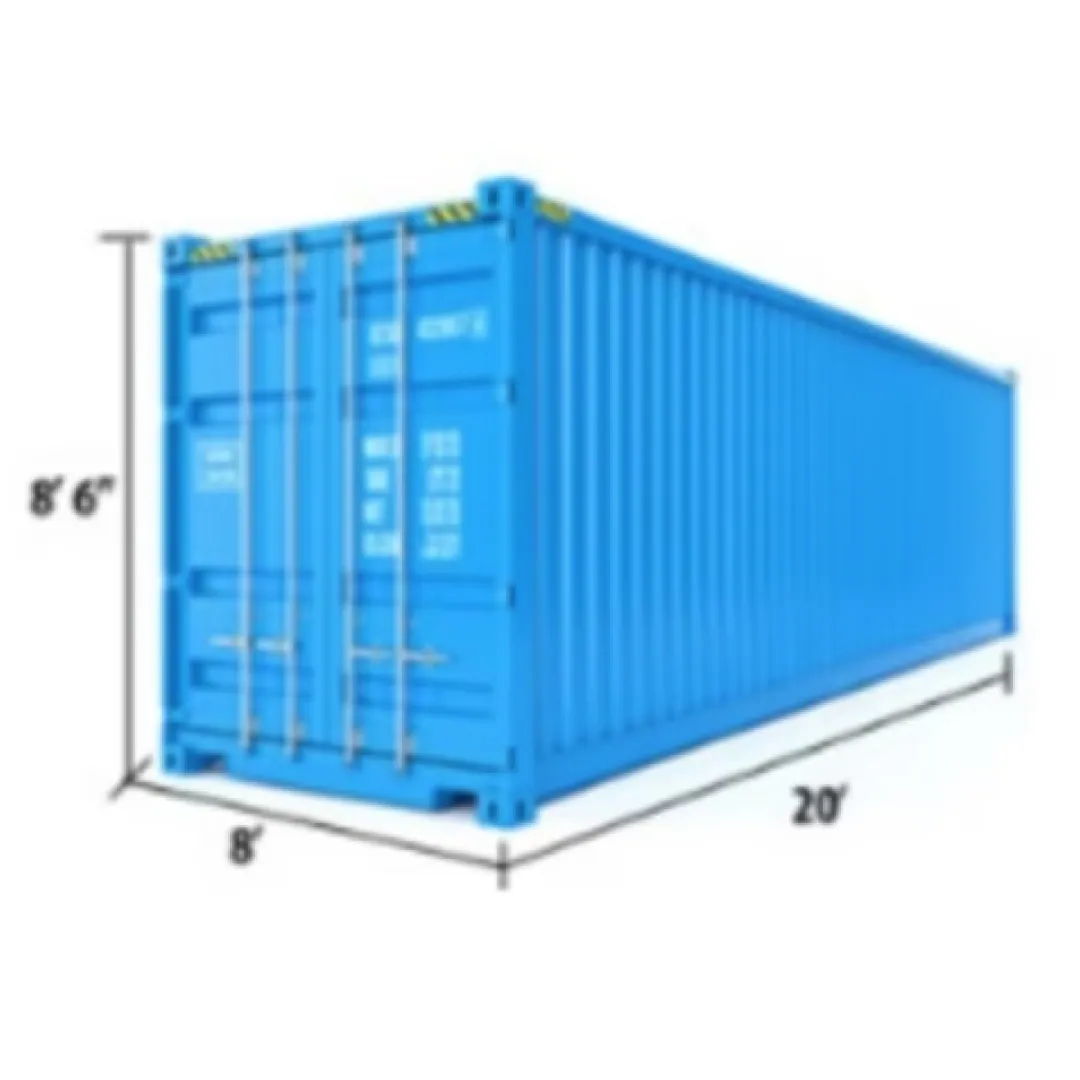
20 ft Standard Dry (8'6" x 8' x 20')
Weight: 4500lbs
Max Gross Weight: 66,139lbs
Interior Dimensions:
Length: 19′ 5″
Width: 7′ 8-⅛”
Height: 7′ 9-⅝”
Door Opening:
Width: 7’ 8-½”
Height: 7’ 5-¾”
Thickness:
14 gauge
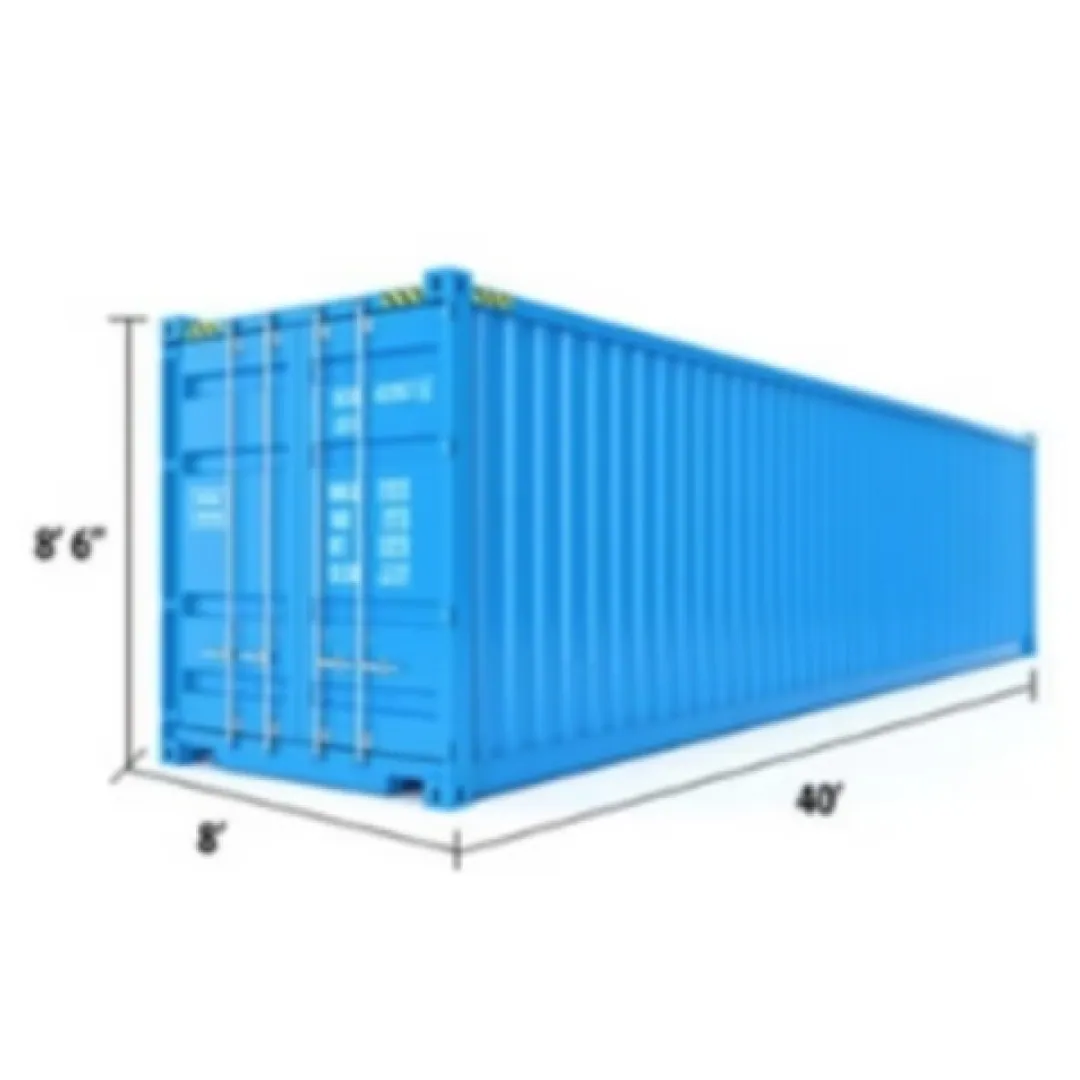
40 ft Standard Dry (8'6" x 8' x 40')
Weight: 8500lbs
Max Gross Weight: 66,139lbs
Interior Dimensions:
Length: 39′ ⅜”
Width: 7′ 8-⅛”
Height: 7′ 9-⅝”
Door Opening:Door Opening:
Width: 7’ 8-½”
Height: 7’ 5-¾”
Thickness:
14 gauge
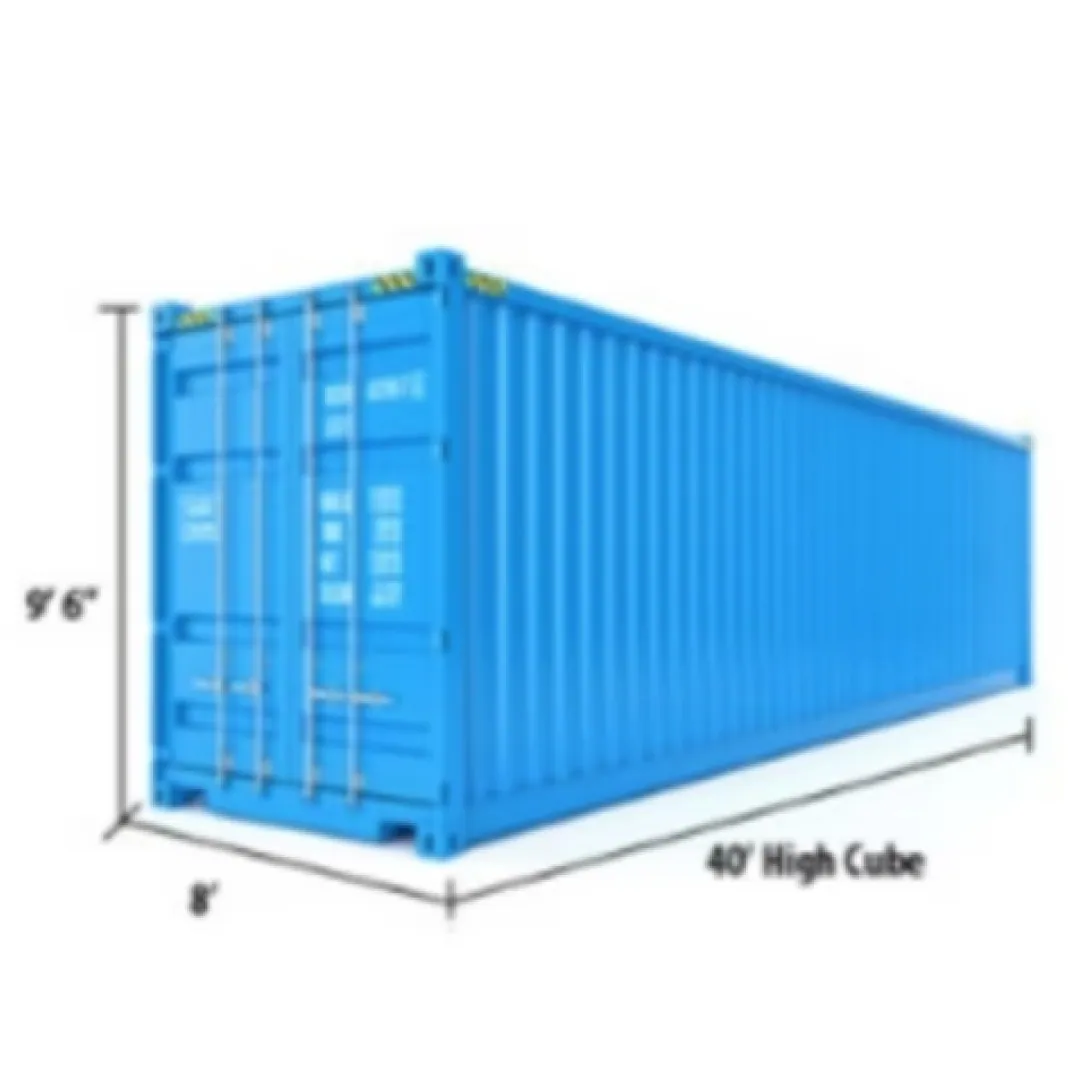
40 ft High Cube (9'6" x 8' x 40')
Weight: 8750 lbs
Max Gross Weight: 68,008lb
Interior Dimensions:
Length: 39′ 4”
Width: 7′ 7”
Height: 8′ 9″
Door Opening:
Width: 7’ 8″‘
Height: 8’ 5”
Thickness:
14 gauge
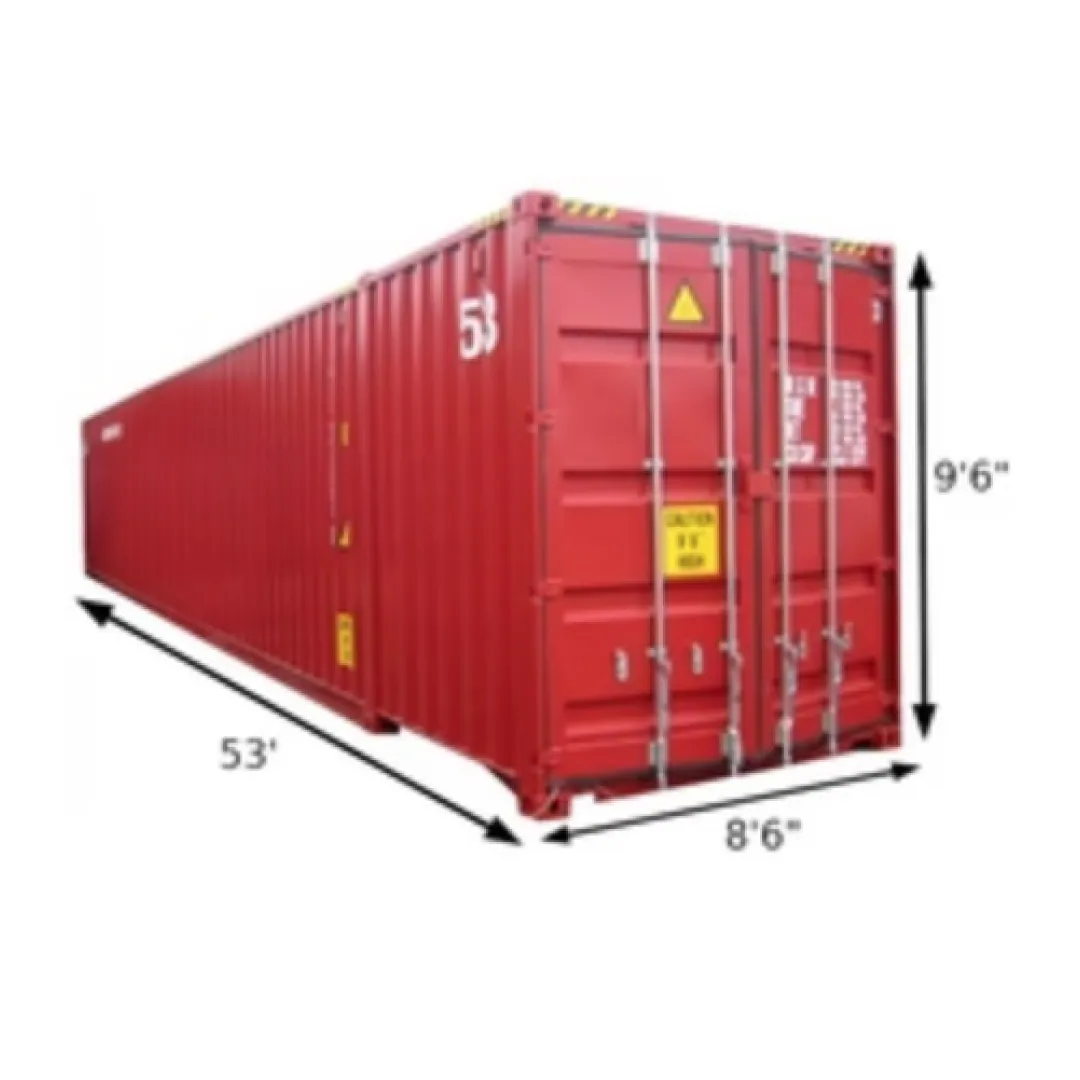
53 ft High Cube (9'6" x 8'6" x 53')
Weight: 12,500 lbs
Max Gross Weight: 67,200lb
Interior Dimensions:
Length: 52′ 6″
Width: 8' 2”
Height: 8′ 11”
Door Opening:
Width: 8’ 2”
Height: 8’ 10”
Thickness:
14 gauge
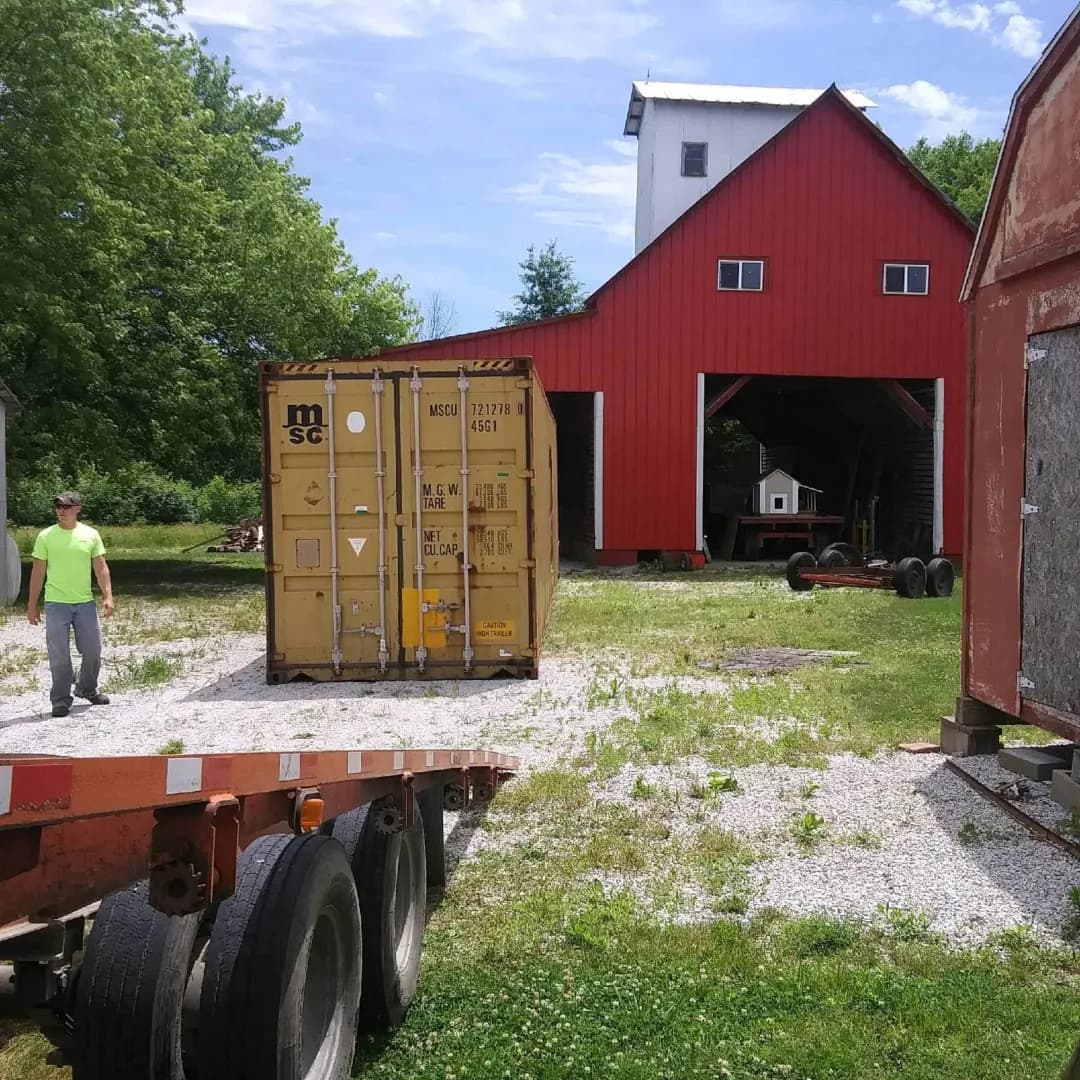
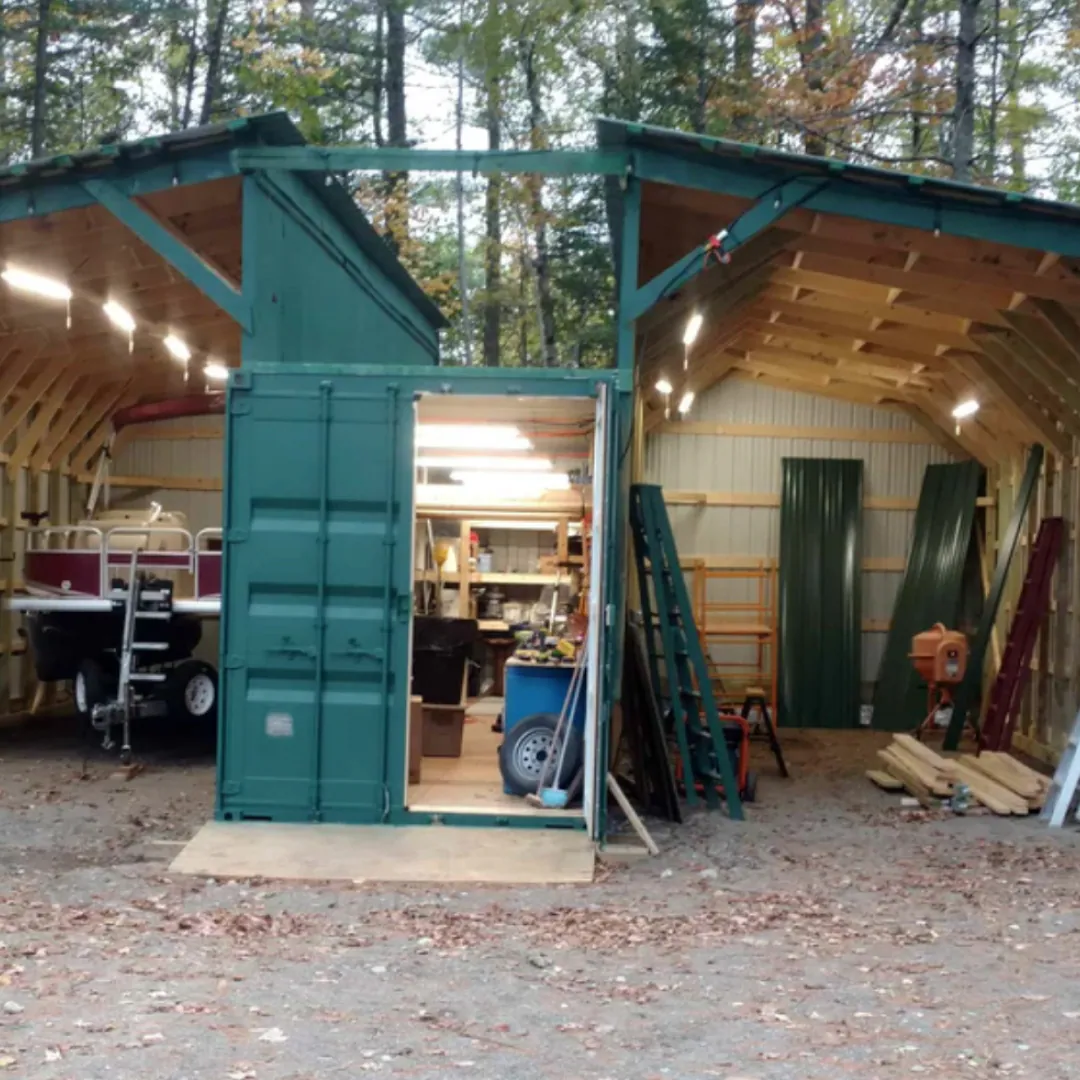
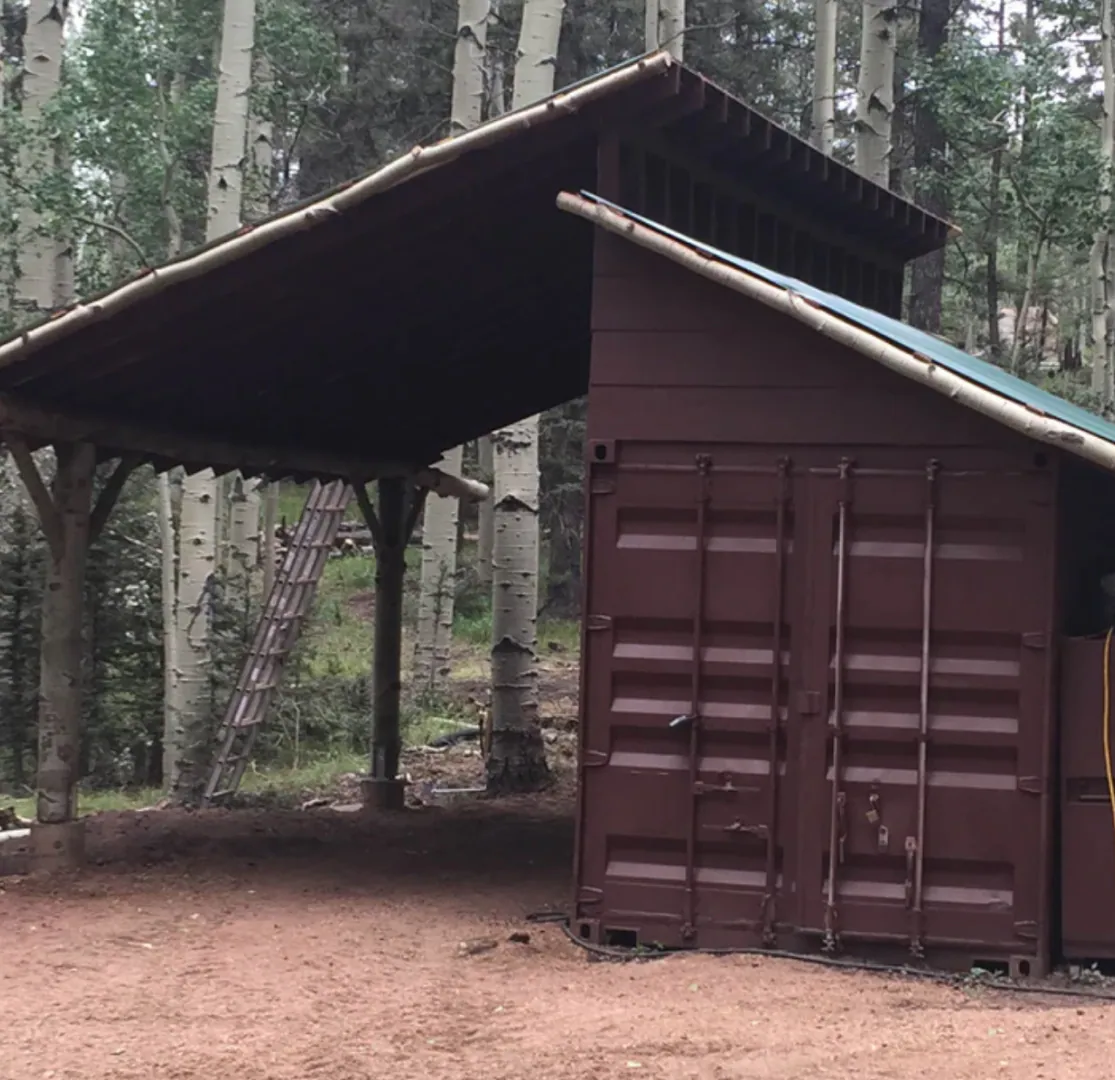
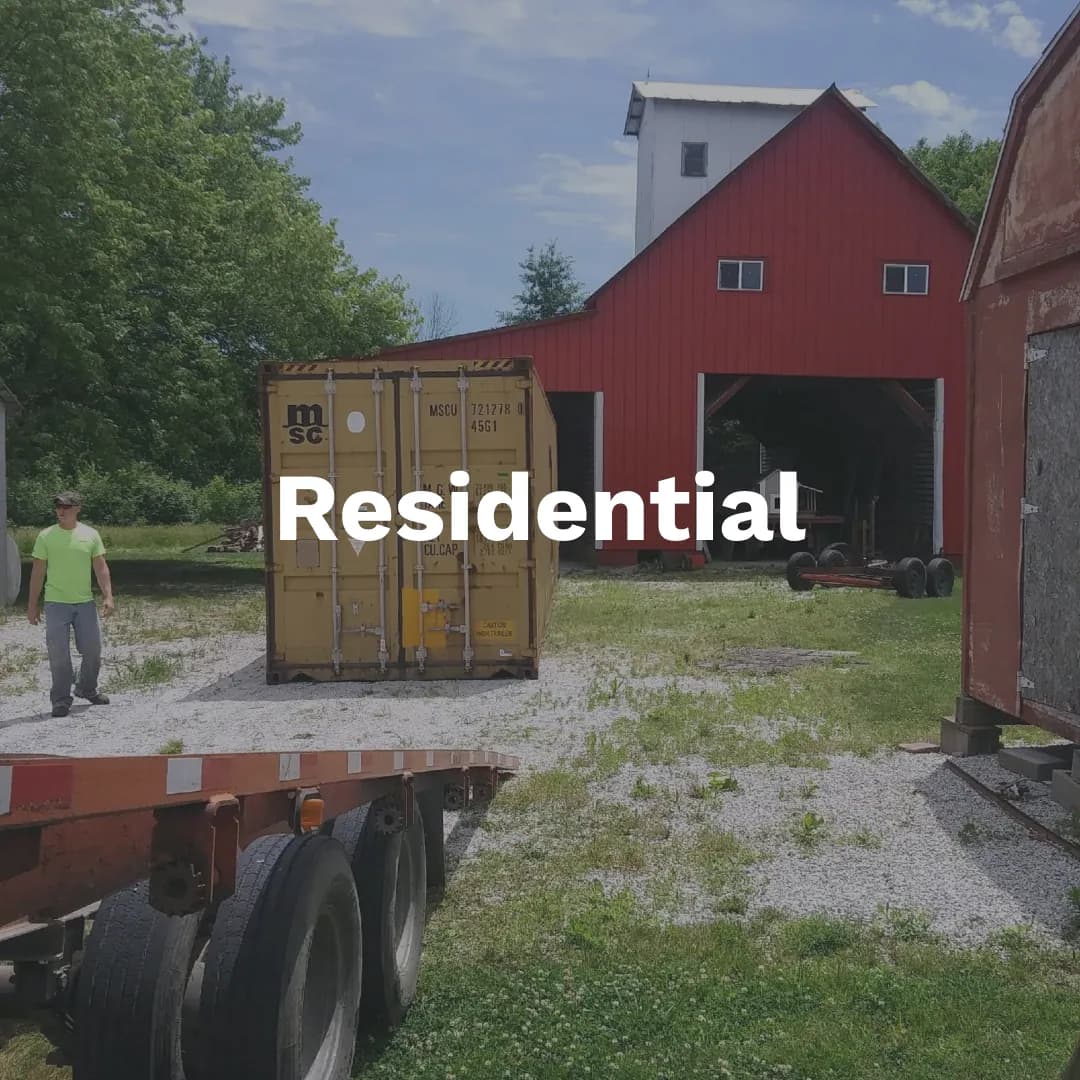
Looking for a garden shed but just can't quite get something big enough within your budget? Or are you someone with a lot of cars or bikes that need more space for storage than the average home garage? The humble shipping container could be the answer to your prayers.
In recent years, due to the increasing amount of used shipping containers that are now being sold online due to their not being fit for cargo anymore, there has been a huge rise in the number of people purchasing shipping containers for personal home storage solutions.
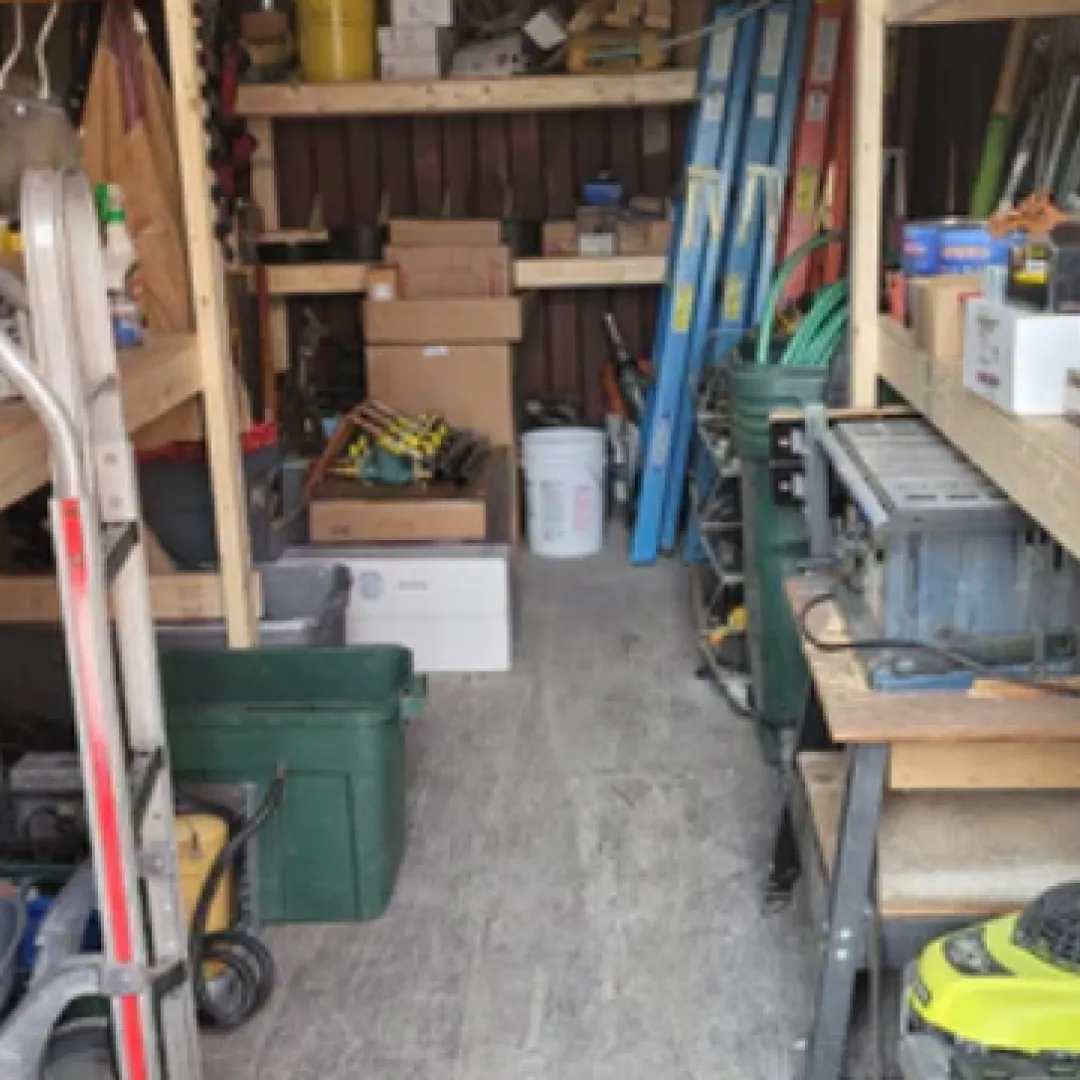
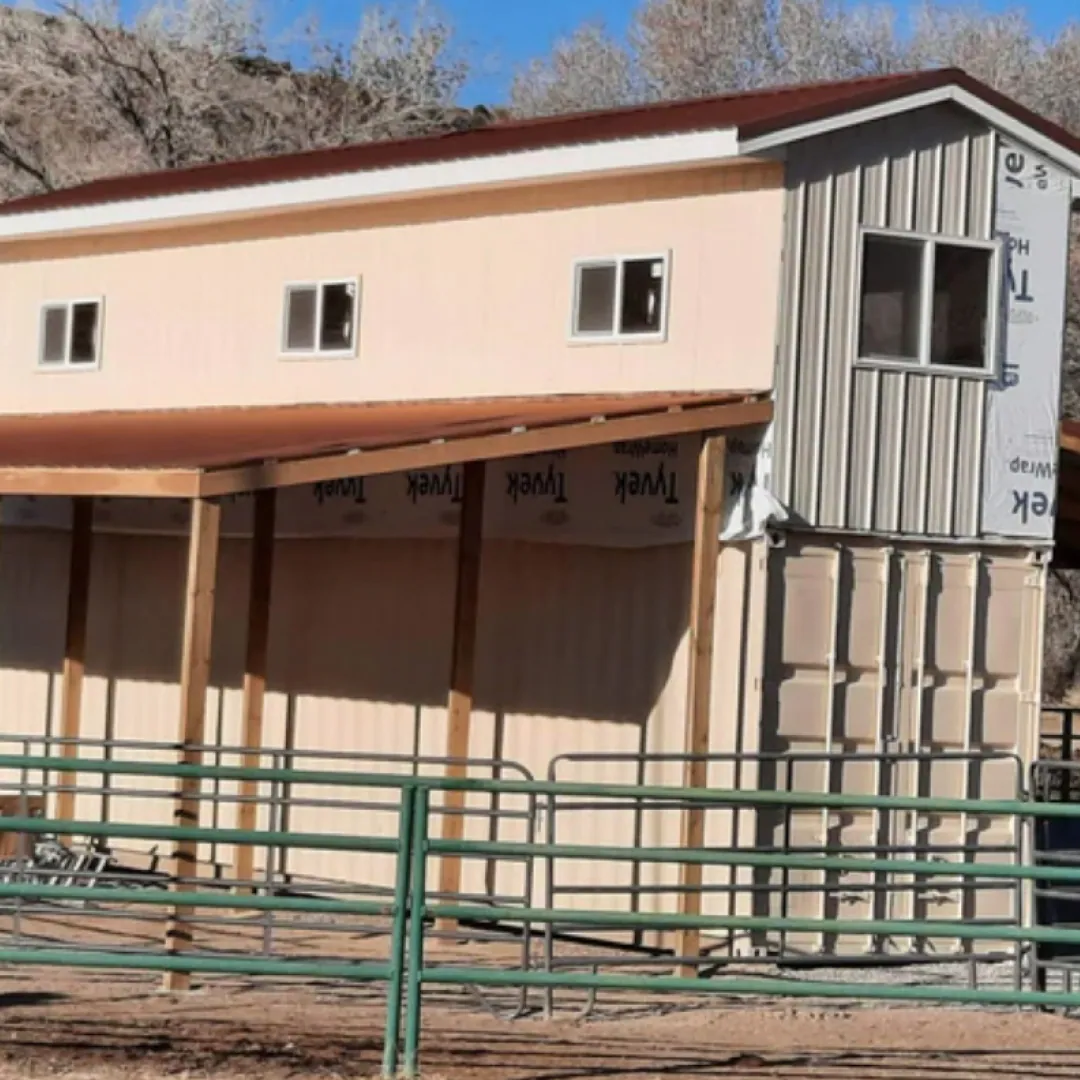
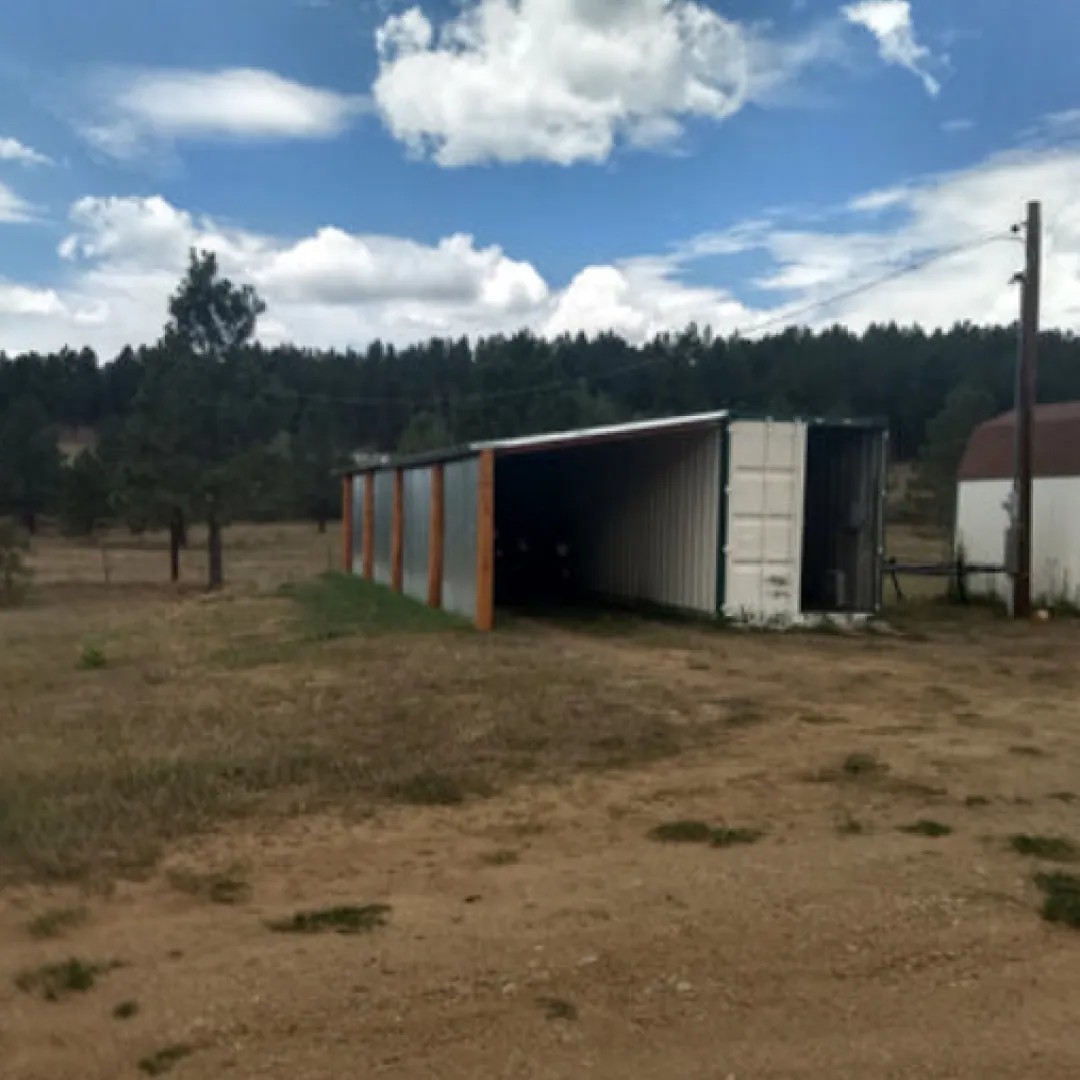
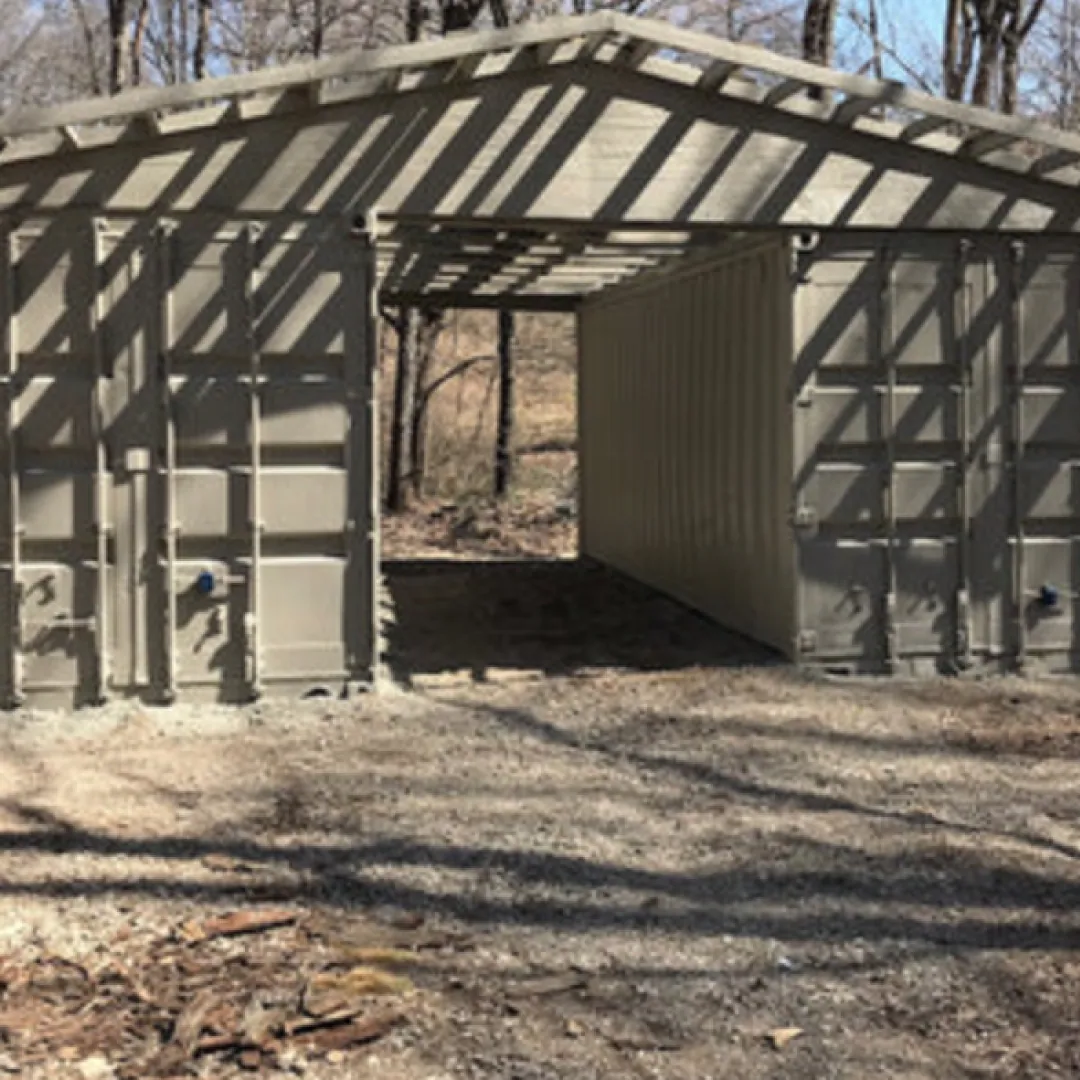
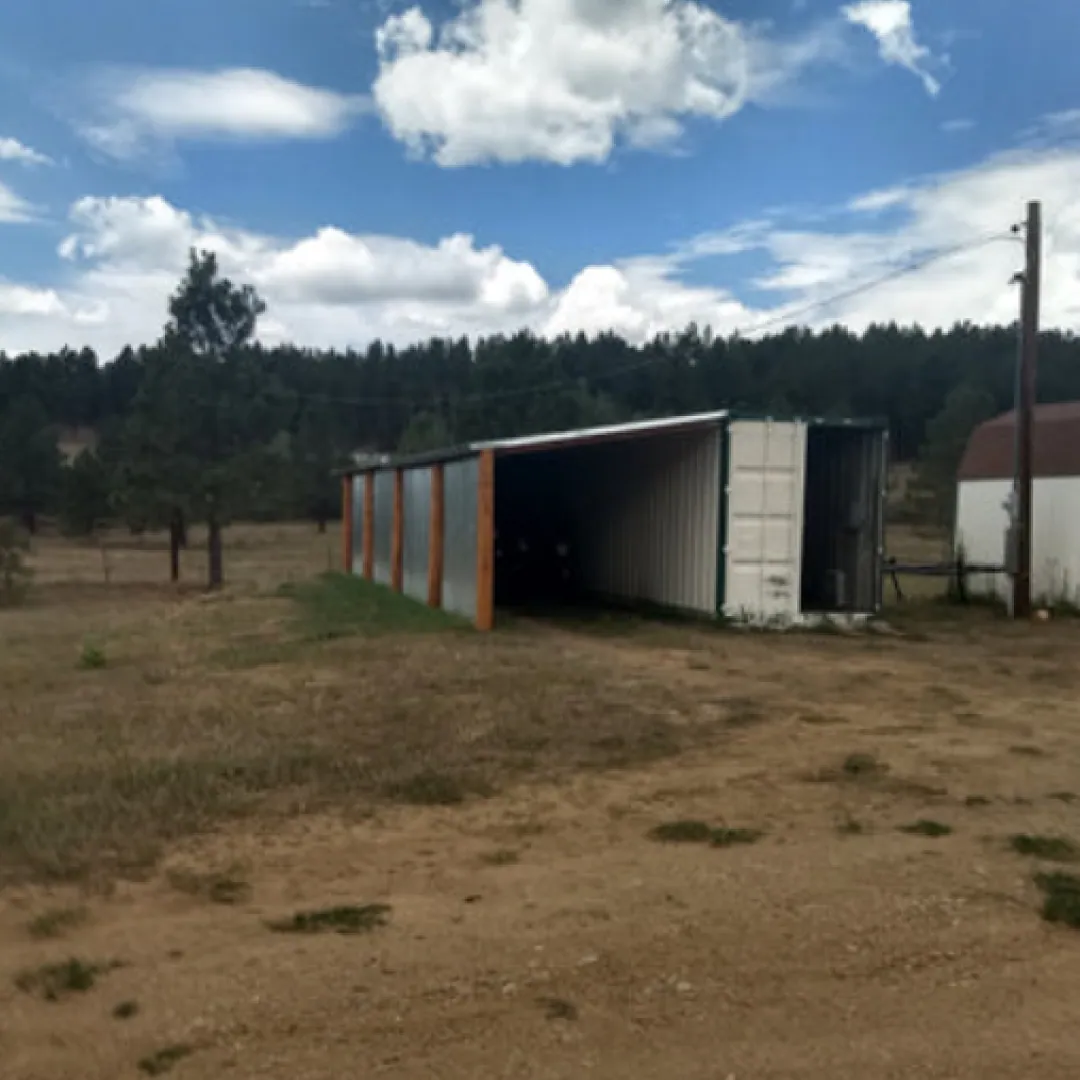
Buying a shipping container for this purpose has many benefits. It's cheaper than investing in a garage extension, and 9 times out of 10, they're bigger than any garden shed you could buy. Even if they're no longer worthy as a cargo container for shipping, they're still incredibly protective against the elements, and are always wind and water tight. That means you can rest assured knowing that your possessions are safe and sound in a shipping container.
Purchasing a shipping container for home storage purposes is also, oftentimes, much easier in trying to gain planning/property permission than it is to build an extension on a home or garage. Doing so usually takes a lot of time and effort- a shipping container is a quick and easy fix to this arduous wait.
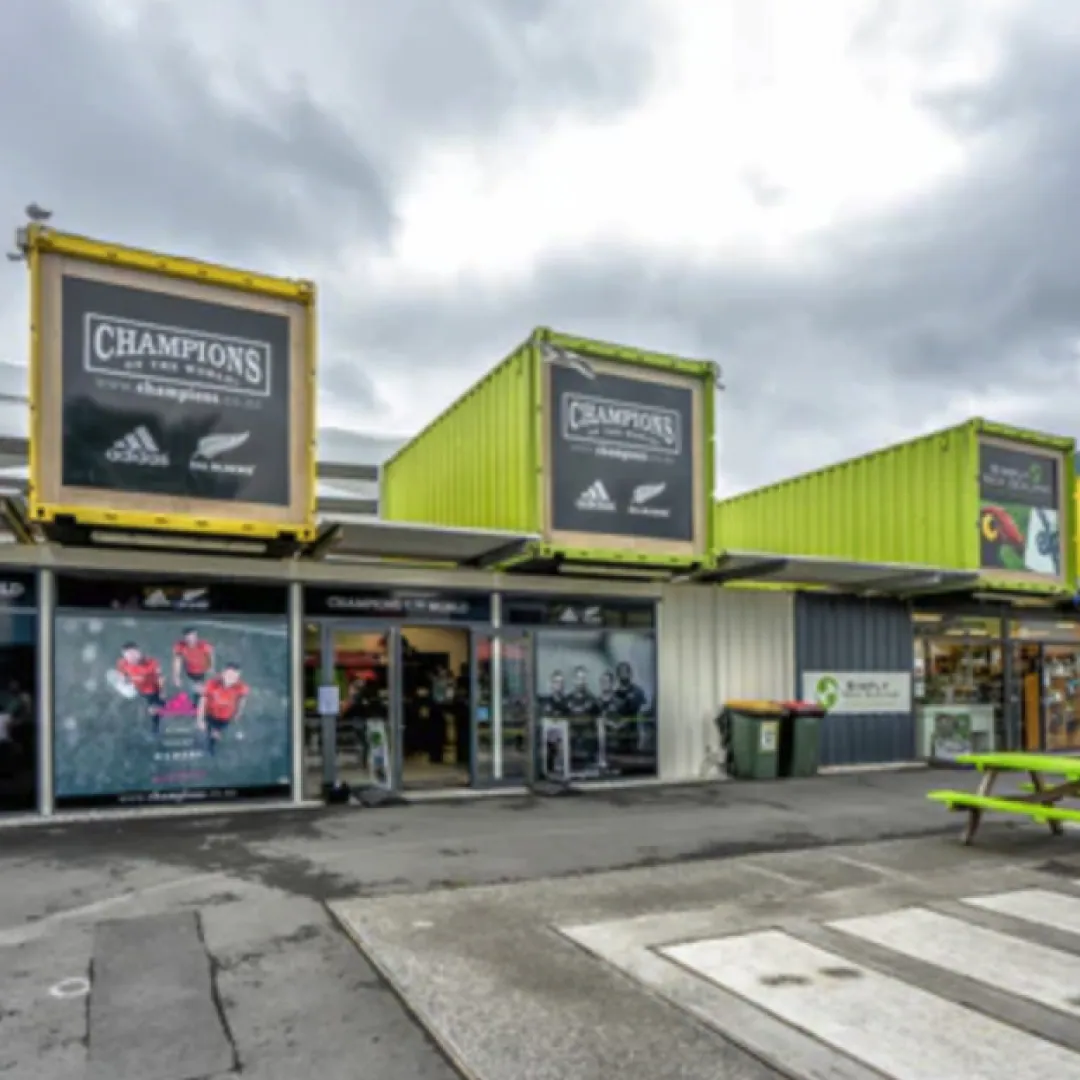
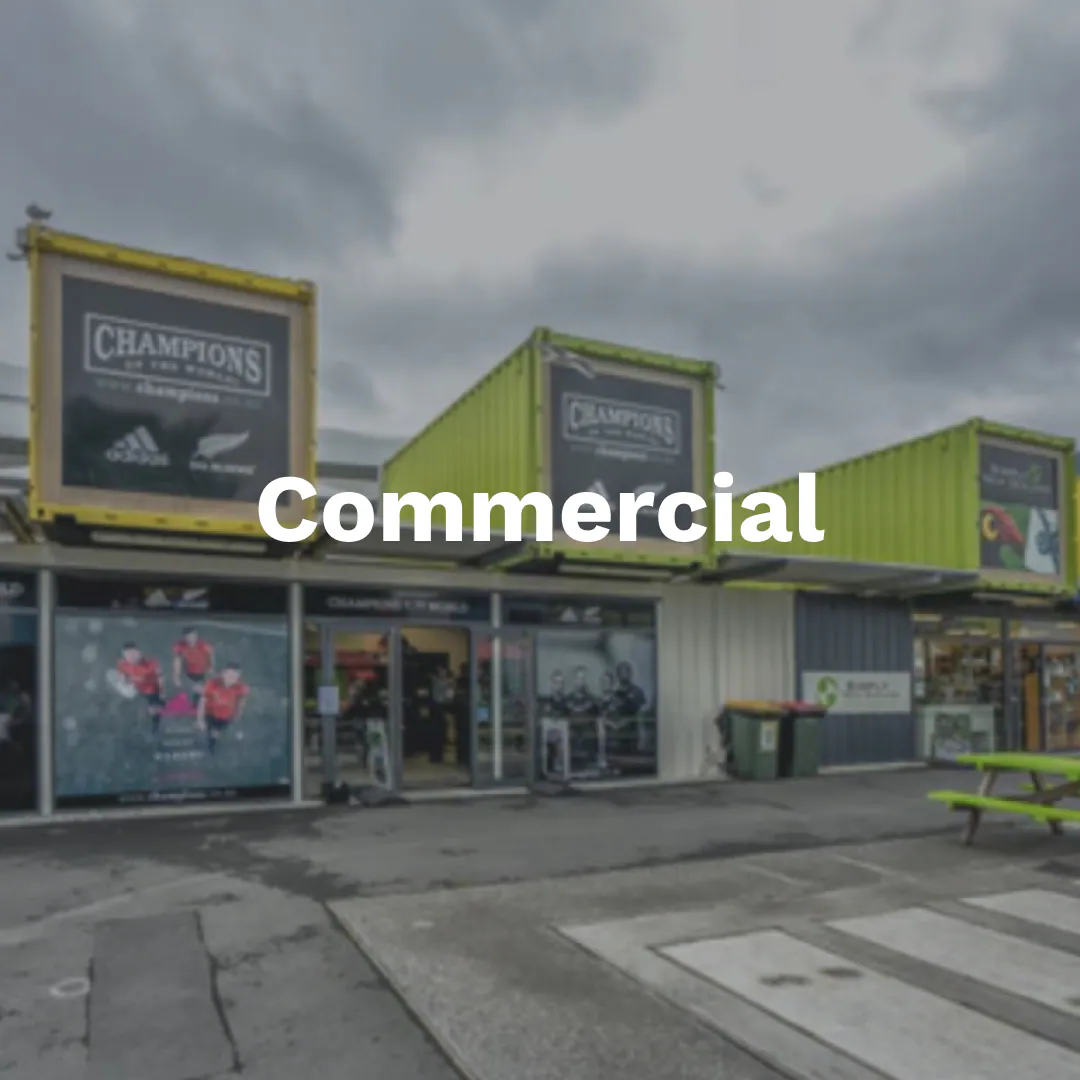
Many businesses have taken to using shipping containers in a variety of ways in the past few years. Not only is the concept of the shipping container office really taking off, but businesses are also starting to realize that shipping containers offer a fantastic storage solution for them.
Similarly to using a shipping container for home storage, ship containers provide storage for businesses who don't want, or can't afford, to fork out for the building or rental of traditional business storage such as warehouses. It allows businesses to start out small with their storage and get bigger over time as their business grows; the bigger your business grows, the more storage you need, and you can simply add more shipping containers to your inventory.
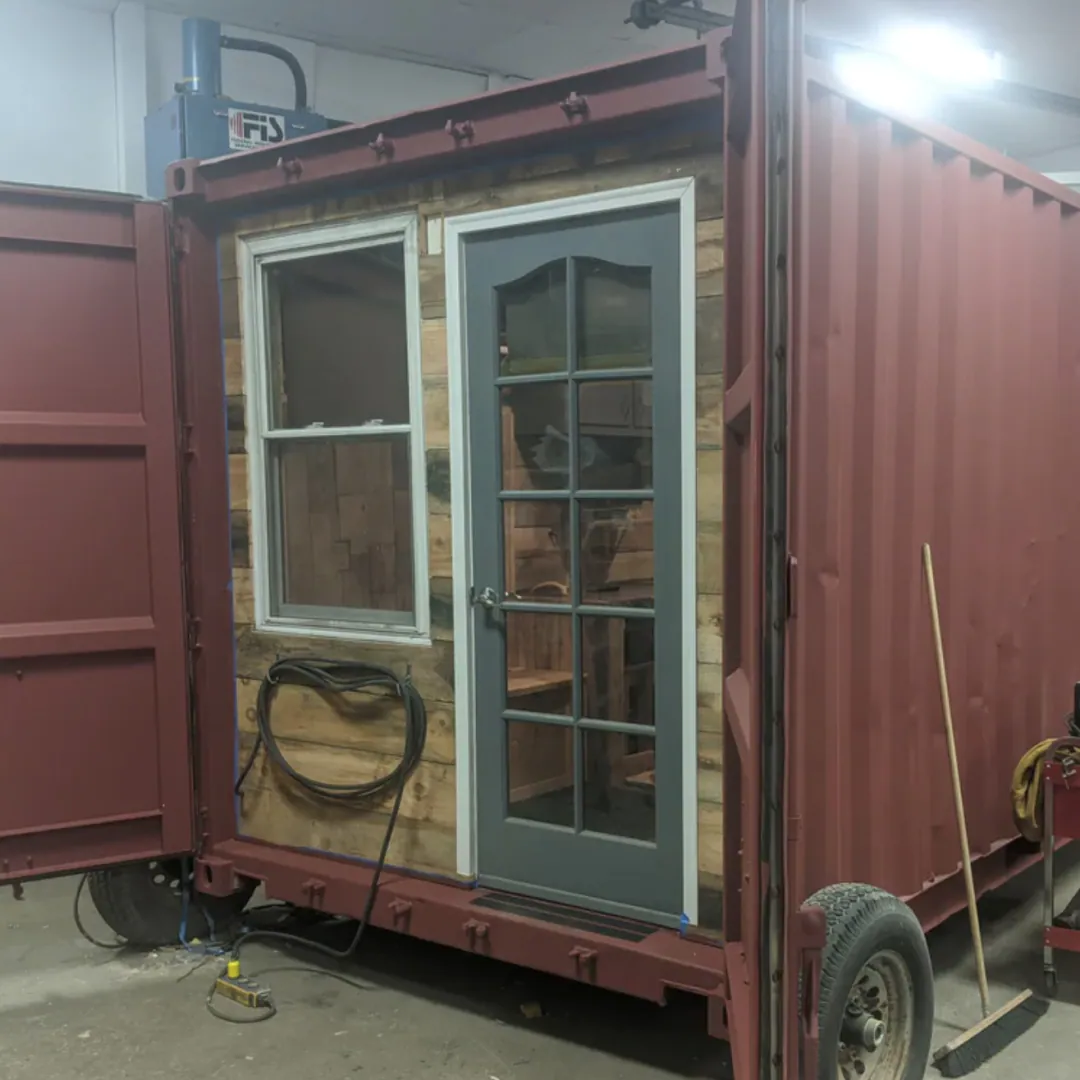
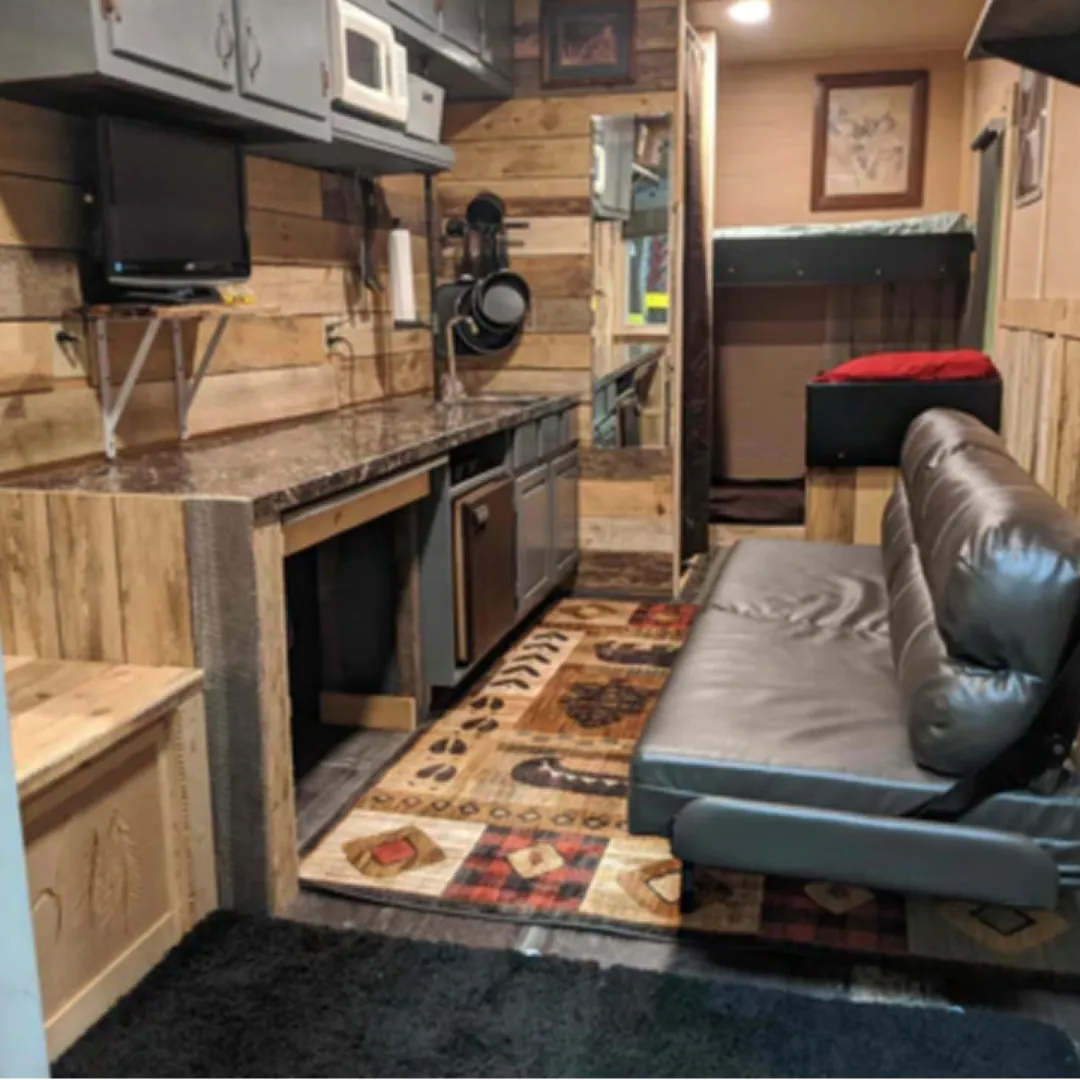
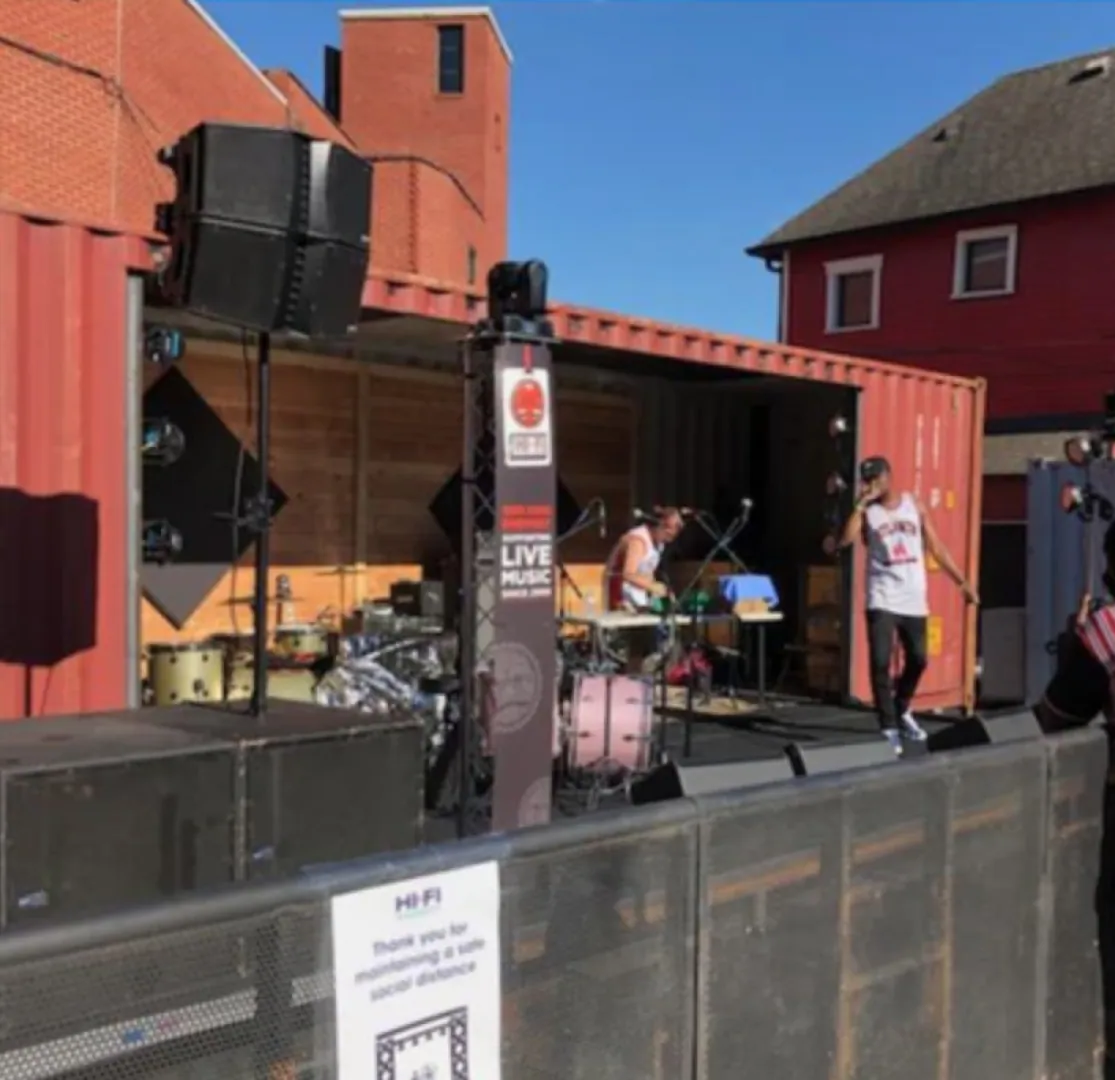
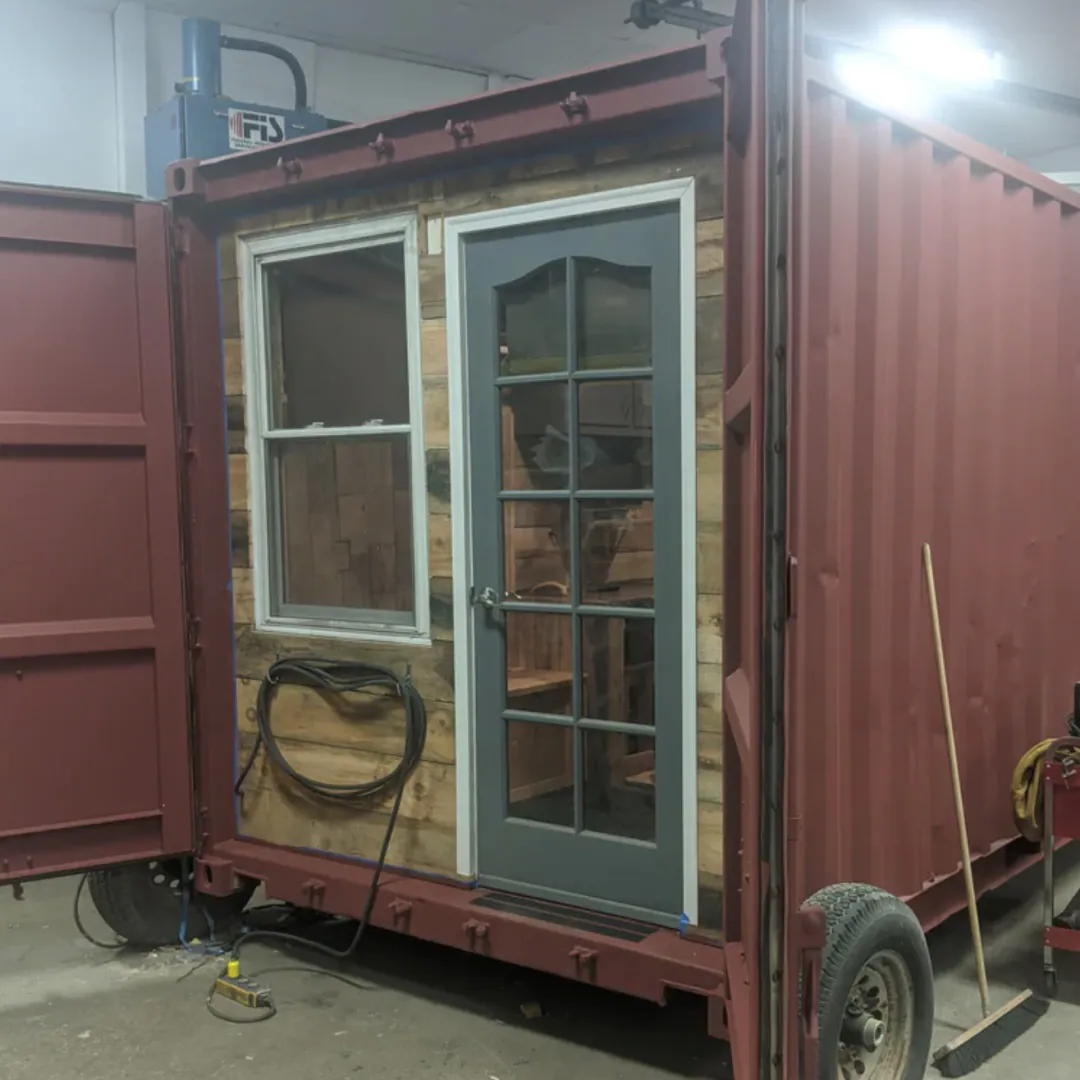
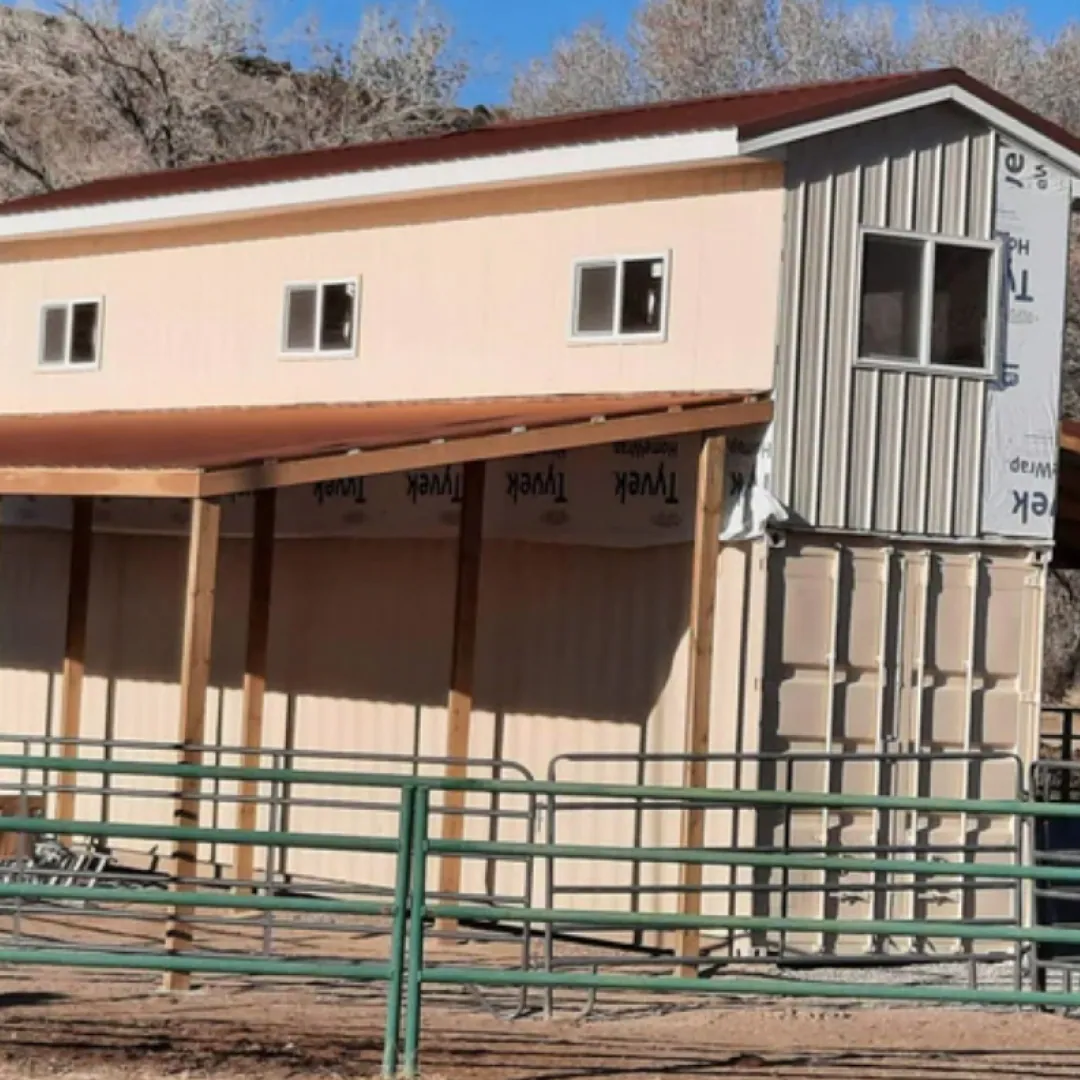
In terms of commercial purposes for shipping containers beyond storage, many businesses have now begun operating out of the containers themselves. They can easily be renovated into offices, food trucks, venues- you name it, and we'll bet there's a commercial shipping container structure out there operating as one!
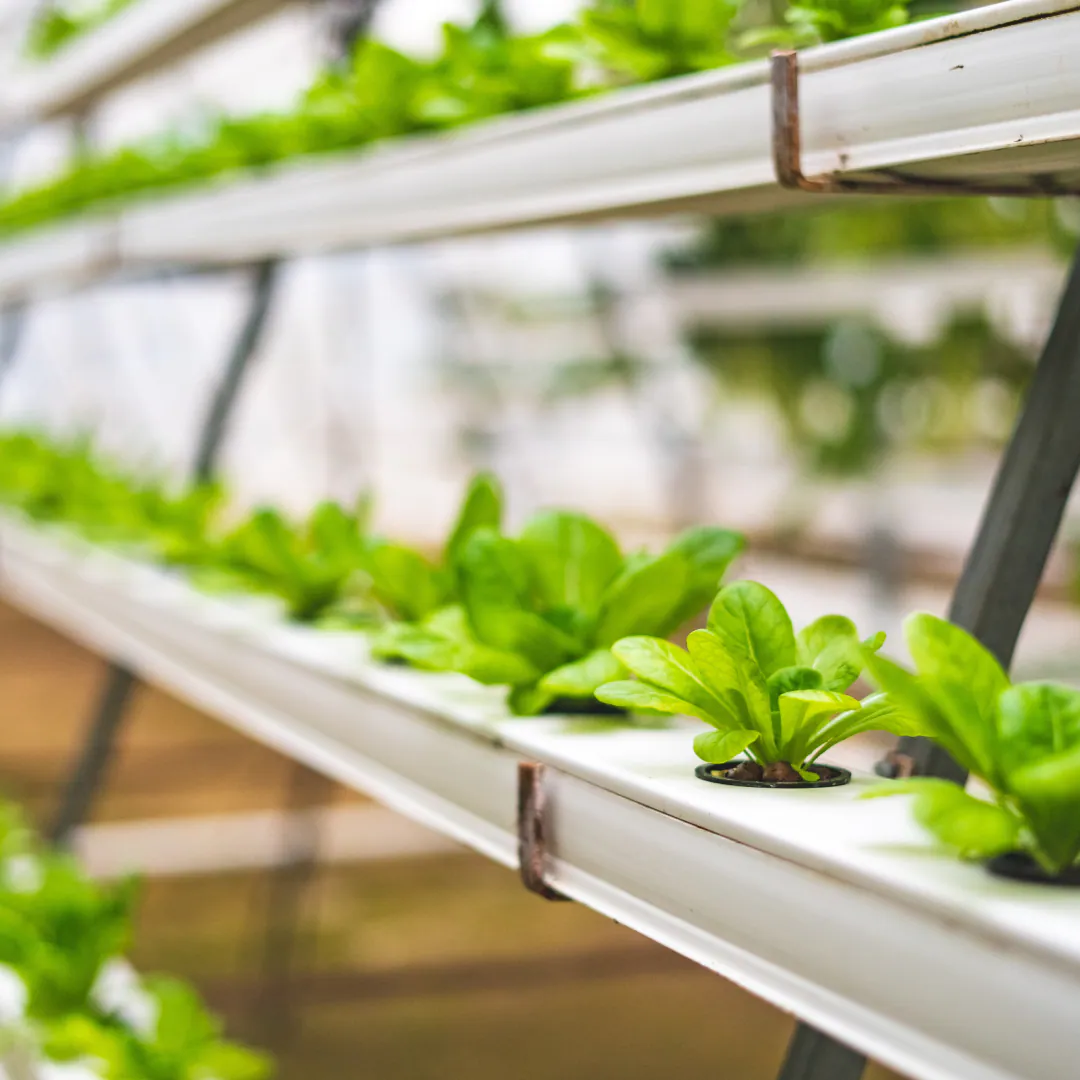
Given the wind and water tight nature of shipping containers, they're perfect for growing food in. Many people have taken to growing hydroponics in shipping containers, particularly in harsh climates where growing crops is traditionally hard.
This opens up a fantastic avenue for those looking to grow food for commercial purposes, such as restaurant owners, but who are perhaps located in the inner cities or suburbs where there are no green spaces to grow food. It also offers a whole new opportunity in the community gardening field, as efforts could be far more successful in a space where the plants are not affected by the cold or windy climate.